
How to Plan a Wedding in the UK: The Ultimate Step by Step Guide for Couples
Planning a wedding in the UK is exciting, emotional, and honestly, sometimes overwhelming too 😅
One minute you are celebrating your engagement with friends and family, the next you are trying to understand budgets, venues, guest lists, photographers, timelines, and why every wedding decision suddenly feels massive.
The truth is, most couples have never planned a wedding before.
So if you currently feel stressed, confused, or unsure where to start, you are absolutely not alone.
This step by step UK wedding planning guide will help you organise your wedding properly, avoid common mistakes, manage your budget realistically, and actually enjoy the process instead of constantly feeling behind.
Whether you are planning a luxury wedding in Yorkshire, a countryside barn wedding, a city celebration, or something intimate and relaxed, this guide will help you create a wedding day that genuinely feels personal and unforgettable ❤️
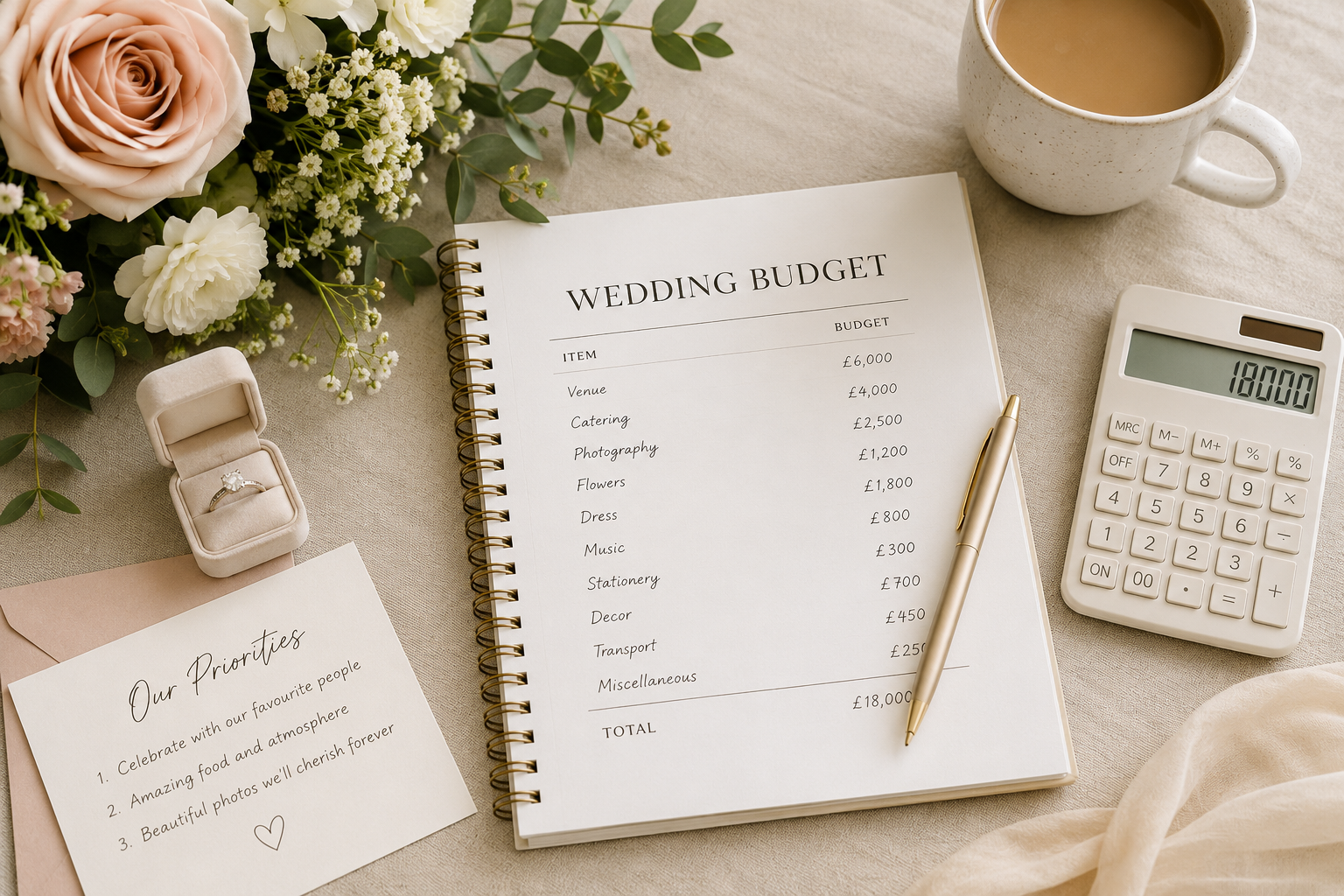
Step 1: Set Your Wedding Budget First
Before booking anything, you need a realistic wedding budget.
This is the single most important foundation of your wedding planning.
Without a clear budget, couples often overspend early on venues or decor, then struggle later when photography, catering, entertainment, and other costs start adding up.
Start by asking yourselves:
- How much can we realistically afford?
- Are family members contributing?
- What matters most to us?
- What are we happy to simplify?
Average UK Wedding Costs
The average UK wedding now costs anywhere between £20,000 and £30,000+, depending on:
- Guest count
- Venue type
- Season
- Location
- Supplier choices
But honestly, do not obsess over averages.
Your wedding budget should reflect your priorities, not social media expectations.
If photography matters most to you, invest there.
If food and atmosphere matter more, prioritise that instead.
You do not need every trend you see online.
Step 2: Decide What Kind of Wedding You Actually Want
Before visiting venues or booking suppliers, figure out the type of wedding that genuinely suits you as a couple.
Too many couples plan weddings based on pressure, Pinterest trends, or family expectations instead of what actually feels right.
Questions worth asking:
- Big wedding or intimate wedding?
- Elegant or relaxed?
- Traditional or modern?
- Countryside venue or city venue?
- Summer wedding or winter wedding?
- Formal timeline or laid back atmosphere?
The clearer your vision becomes early on, the easier every decision afterwards feels.
Create a simple Pinterest board if helpful, but focus more on the feeling of the day rather than copying another wedding exactly.
The best weddings always feel personal.
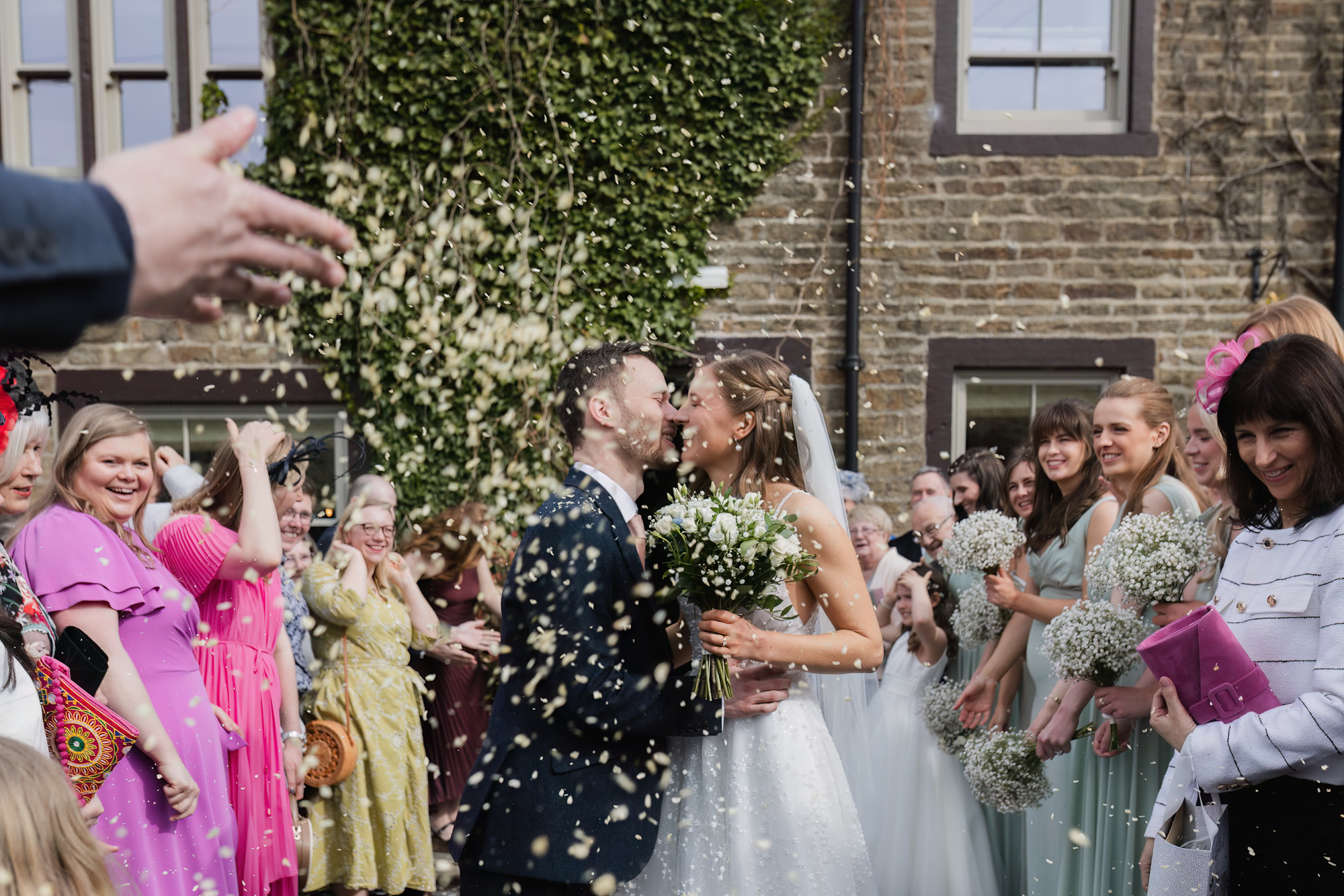
Step 3: Build Your Guest List Early
This is usually where wedding planning becomes very real 😂
Your guest count affects:
- Venue size
- Catering budget
- Seating plans
- Transport
- Evening space
- Overall costs
Do not book your venue before having at least an estimated guest number.
Many couples massively underestimate how quickly guest lists grow.
What starts as “small and intimate” somehow becomes 120 guests after adding family, friends, colleagues, plus ones, and parents’ requests 😅
Be realistic early.
It saves stress later.
Step 4: Book Your Wedding Venue
Your venue shapes almost everything about the wedding day.
And in the UK, especially in Yorkshire and popular countryside locations, the best wedding venues book extremely fast.
Ideally book your venue:
- 12 to 24 months before the wedding
Especially if you want:
- Summer dates
- Saturdays
- Luxury venues
- Barn venues
- Manor houses
Things couples should check before booking
Capacity
Can it comfortably fit your guests?
Rain plan
Especially important for UK weddings ☔
Lighting
Dark venues can seriously affect atmosphere and photography.
Supplier flexibility
Some venues only allow specific suppliers.
Accommodation
Helpful for travelling guests.
Timing restrictions
Always check finishing times and setup access.
One major mistake couples make is booking purely based on aesthetics without thinking about logistics.
A beautiful venue with stressful timings or poor layout can create unnecessary pressure on the wedding day.
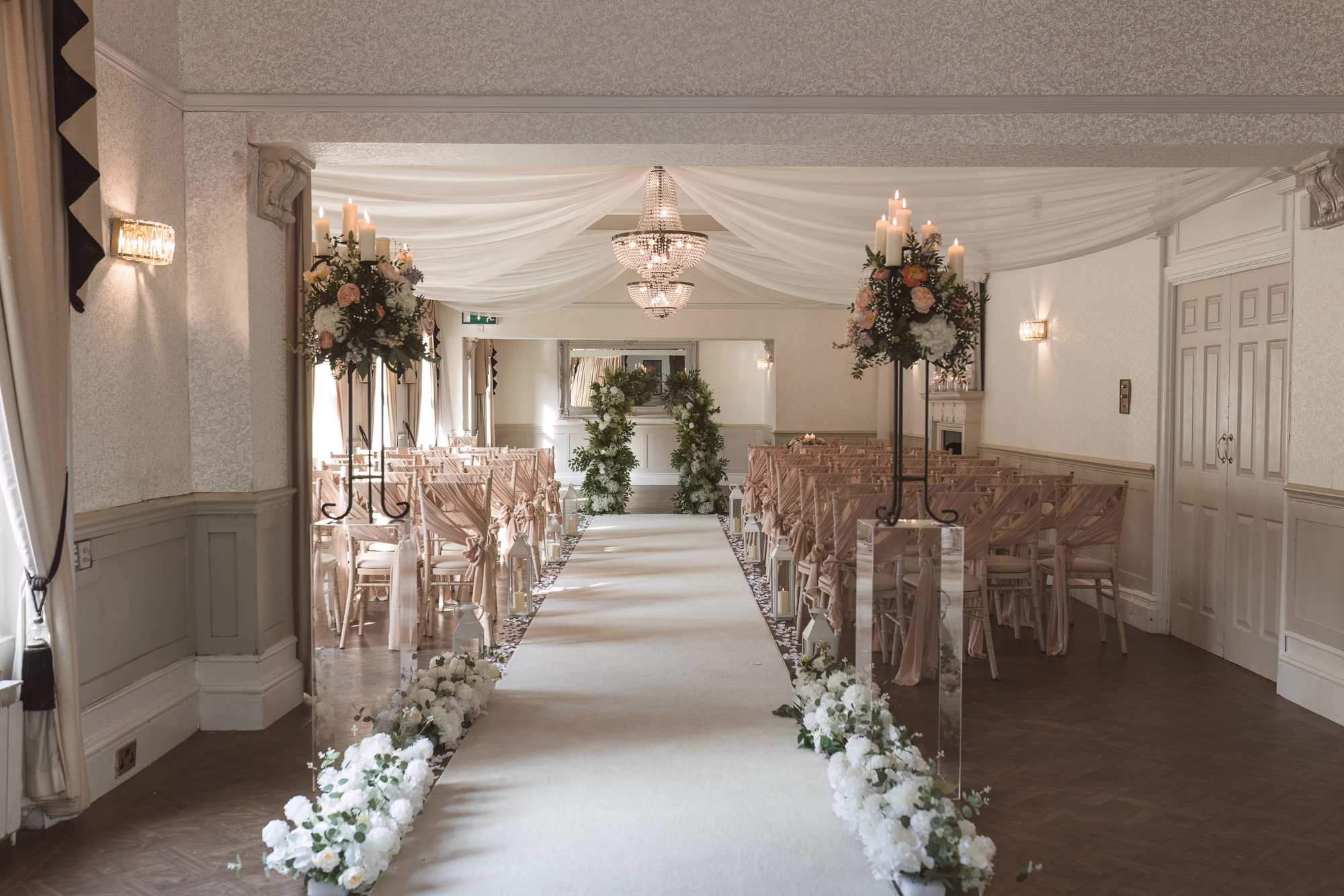
Step 5: Book Your Key Wedding Suppliers Early
Once your venue is secured, start booking your key suppliers immediately.
The best wedding suppliers in the UK often get booked more than a year in advance.
Priority suppliers usually include:
- Wedding photographer
- Videographer
- Makeup artist
- Hair stylist
- Wedding planner
- Band or DJ
- Florist
This is especially true for wedding photography.
Many couples leave photography too late, then realise their favourite photographer is already booked.
And honestly, once the wedding day is over, your photos become one of the only things that remain forever.
Step 6: Choose the Right Wedding Photographer
This decision matters far more than most couples realise.
A wedding photographer is not simply someone taking photos.
They are:
- Around you most of the day
- Managing timelines
- Helping with nerves
- Handling pressure calmly
- Capturing moments you never even noticed happening
What couples should look for
Full galleries, not just Instagram highlights
Consistency matters massively.
A personality you feel relaxed around
You spend more time with your photographer than almost anyone else on the wedding day.
Experience
Can they handle:
- Rain?
- Delays?
- Family dynamics?
- Dark venues?
- Stressful timelines?
Editing style
Choose timeless over trendy.
Reviews
Pay attention to emotional feedback from real couples.
The right photographer reduces stress.
The wrong one adds to it.
Step 7: Send Save The Dates
Once your venue and date are confirmed, send save the dates.
This is especially important if:
- Guests are travelling
- You have summer wedding dates
- It is a destination wedding
- Guests need accommodation
Most UK couples send save the dates:
- 8 to 12 months before the wedding
Step 8: Plan Your Wedding Timeline Properly
Poor timelines create huge stress on wedding days.
Rushed mornings, delayed ceremonies, missing sunset photos, late dinners, and chaotic family photos usually come from unrealistic schedules.
The best advice?
Always allow buffer time.
Everything takes longer on wedding days.
Hair and makeup run late.
Guests disappear.
Transport gets delayed.
Family members vanish during group photos 😅
A relaxed timeline completely changes the atmosphere of the day.
This is also where an experienced photographer becomes incredibly valuable because they often help structure the day realistically.
Step 9: Choose Outfits That Feel Comfortable
Your wedding outfits should feel like you.
Do not choose something purely because it is trendy online.
You will wear it for hours.
You need to:
- Walk
- Sit
- Hug people
- Dance
- Eat
- Actually enjoy yourself
Comfort matters far more than couples expect.
And yes, this absolutely includes wedding shoes too 😅
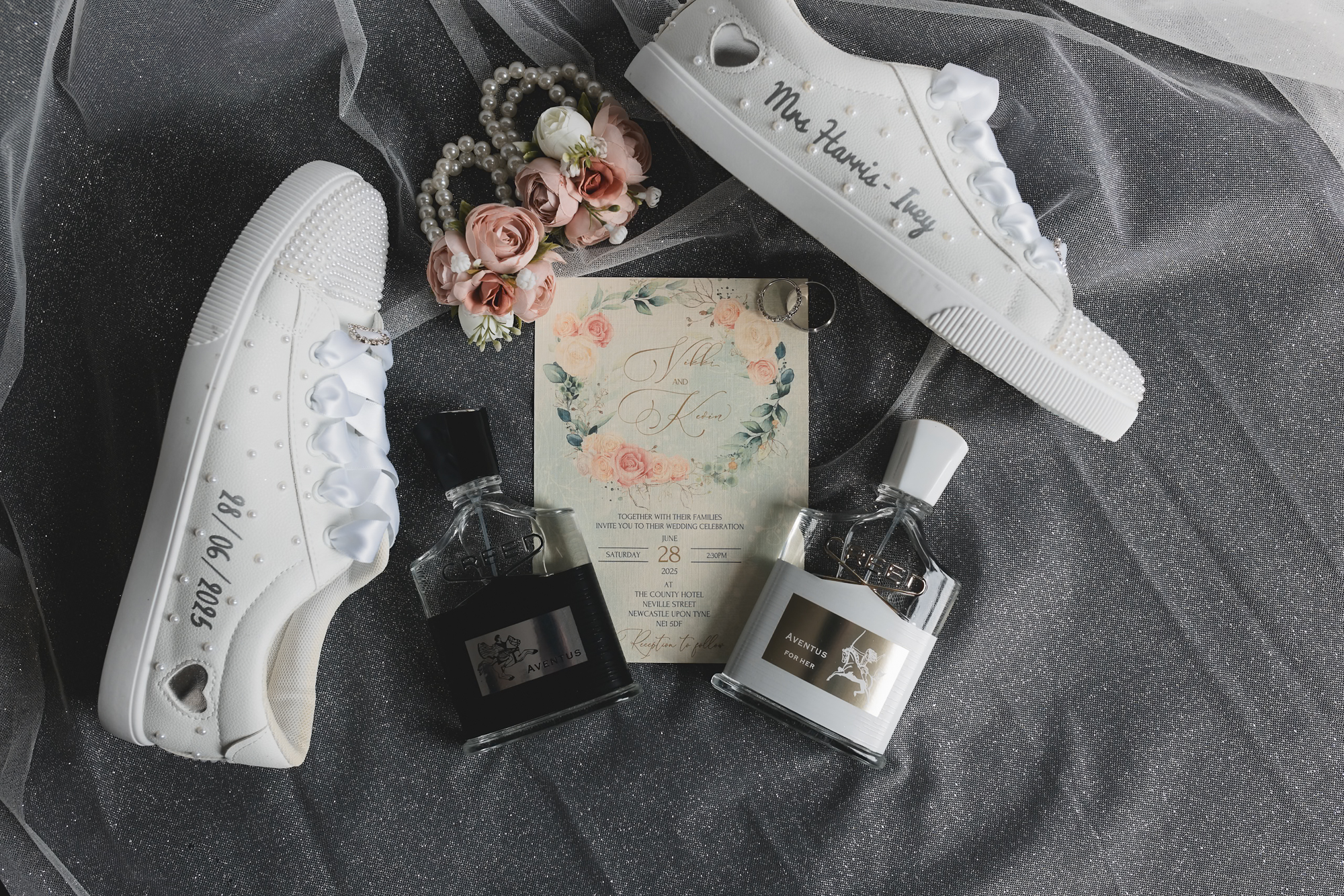
Step 10: Finalise the Important Details
About 1 to 2 months before the wedding, things start becoming very real.
This stage often feels overwhelming for couples, completely normal by the way.
Final things to organise:
- Seating plan
- Final supplier payments
- Ceremony details
- Music choices
- Group photo lists
- Speeches
- Menu confirmations
- Transport
- Emergency kits
- Final timeline
Try not to obsess over tiny details nobody else will notice.
Guests remember:
- Atmosphere
- Emotion
- Food
- Energy
- How the day felt
Not whether every napkin matched perfectly.
Step 11: Actually Enjoy Your Wedding Day
This sounds obvious, but many couples spend their entire wedding worrying instead of experiencing it.
The reality is:
Something may go wrong.
Rain might happen.
Someone might run late.
Flowers might not look exactly like Pinterest.
None of those things ruin a wedding.
The weddings couples remember most emotionally are usually the ones that felt genuine, relaxed, and full of real moments ❤️
Perfection is not what makes weddings unforgettable.
Connection is.
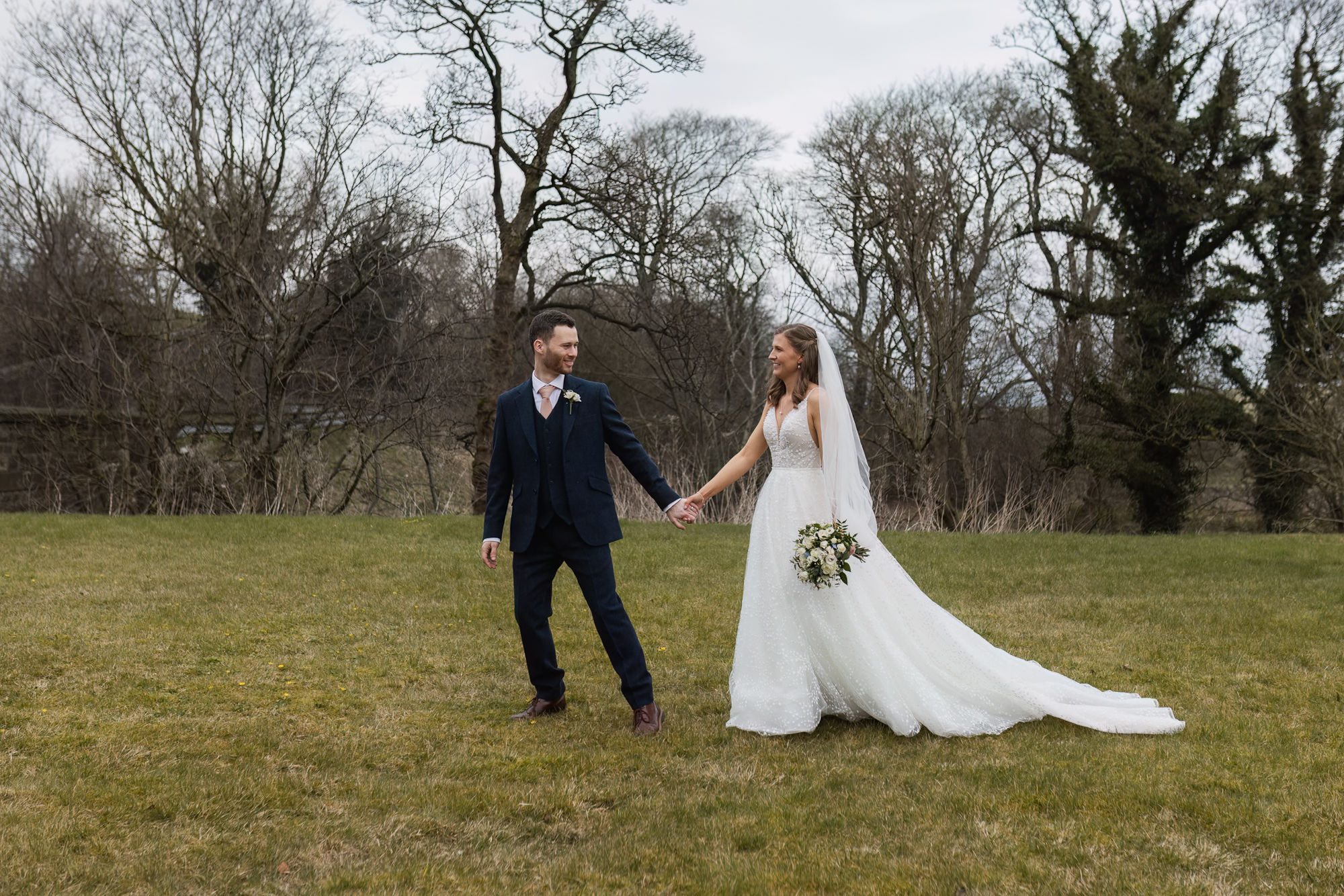
Common Wedding Planning Mistakes UK Couples Make
Booking suppliers too late
Especially photographers and venues.
Trying to please everyone
Impossible.
Somebody will always have opinions.
Underestimating the timeline
Everything takes longer than expected.
Spending too much on trends
Focus on experience over aesthetics.
Comparing your wedding online
Social media creates unrealistic expectations constantly.
Simple UK Wedding Planning Timeline
12 to 18 Months Before
- Set budget
- Book venue
- Book photographer
- Book key suppliers
9 to 12 Months Before
- Save the dates
- Dress shopping
- Entertainment
- Guest planning
6 Months Before
- Invitations
- Styling details
- Timeline planning
3 Months Before
- Supplier meetings
- Seating plan
- Final confirmations
1 Month Before
- Confirm everything
- Try to relax 😅
Final Thoughts
Wedding planning can feel intense at times, but it should also be exciting.
Do not chase perfection.
Focus on building a day that genuinely reflects your relationship and the people you love most.
The best weddings are not the most expensive ones.
They are the ones where couples feel fully present, emotional, relaxed, and completely themselves.
And if you are currently planning your wedding in Yorkshire or anywhere in the UK and looking for natural, relaxed wedding photography that captures real moments without awkward posing, I would genuinely love to hear more about your plans 😊
You might also enjoy
Planning a wedding in Yorkshire?
If you're getting married in Yorkshire, take a look at my location guides for wedding photography in Leeds, York, Harrogate, and across Yorkshire. Each page covers local venues, what to expect, and how to book.