
Choosing a wedding photography package sounds simple at first. Then suddenly you are comparing 4 hours, 6 hours, 8 hours, 10 hours, full-day coverage, second photographers, albums, sneak peeks, and travel fees, and it all starts to feel more complicated than it should.
This guide breaks down wedding photography packages in plain English so you can choose coverage that fits your day, your venue, and your priorities without paying for hours you do not need or cutting things too tight.
If you are still comparing options, it is also worth looking at the main wedding photography packages page alongside this guide so you can see how real coverage options line up with the advice below.
Why Coverage Hours Matter More Than Couples Expect
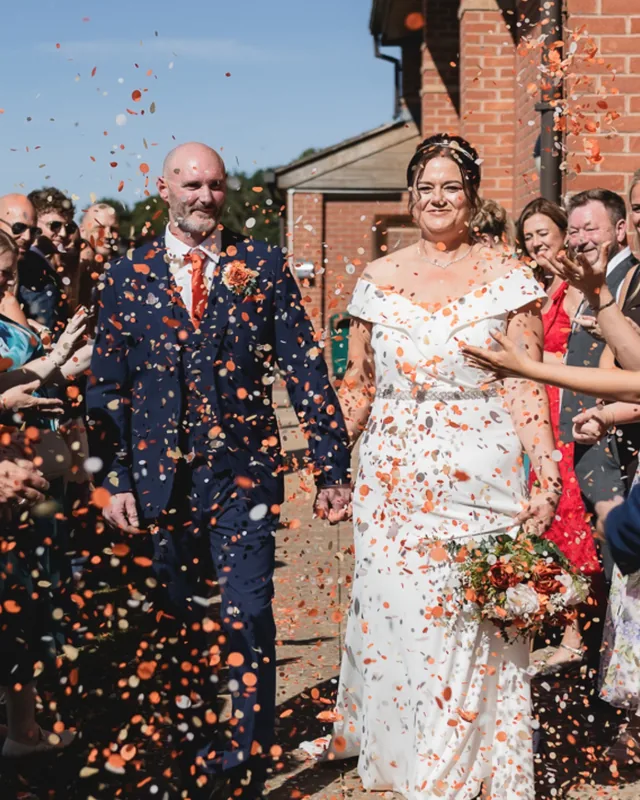
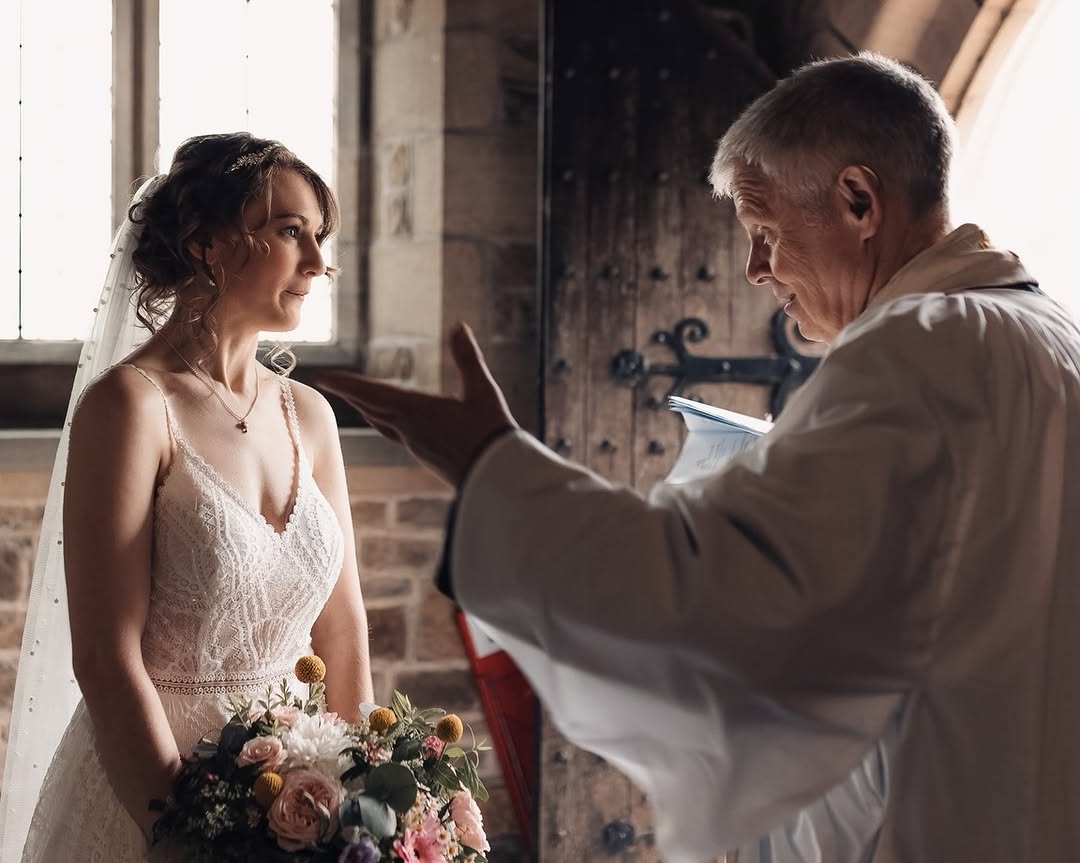
Your wedding photographer is not only there for the ceremony and a few posed portraits. A full story often includes the nerves in the morning, details you spent months choosing, family reactions, the ceremony, confetti, hugs, speeches, couple portraits, the room setup, the first dance, and the little in-between moments you never see yourself.
If you book too little coverage, something will have to be missed. That is not drama. It is just maths.
2 to 4 Hours of Wedding Photography
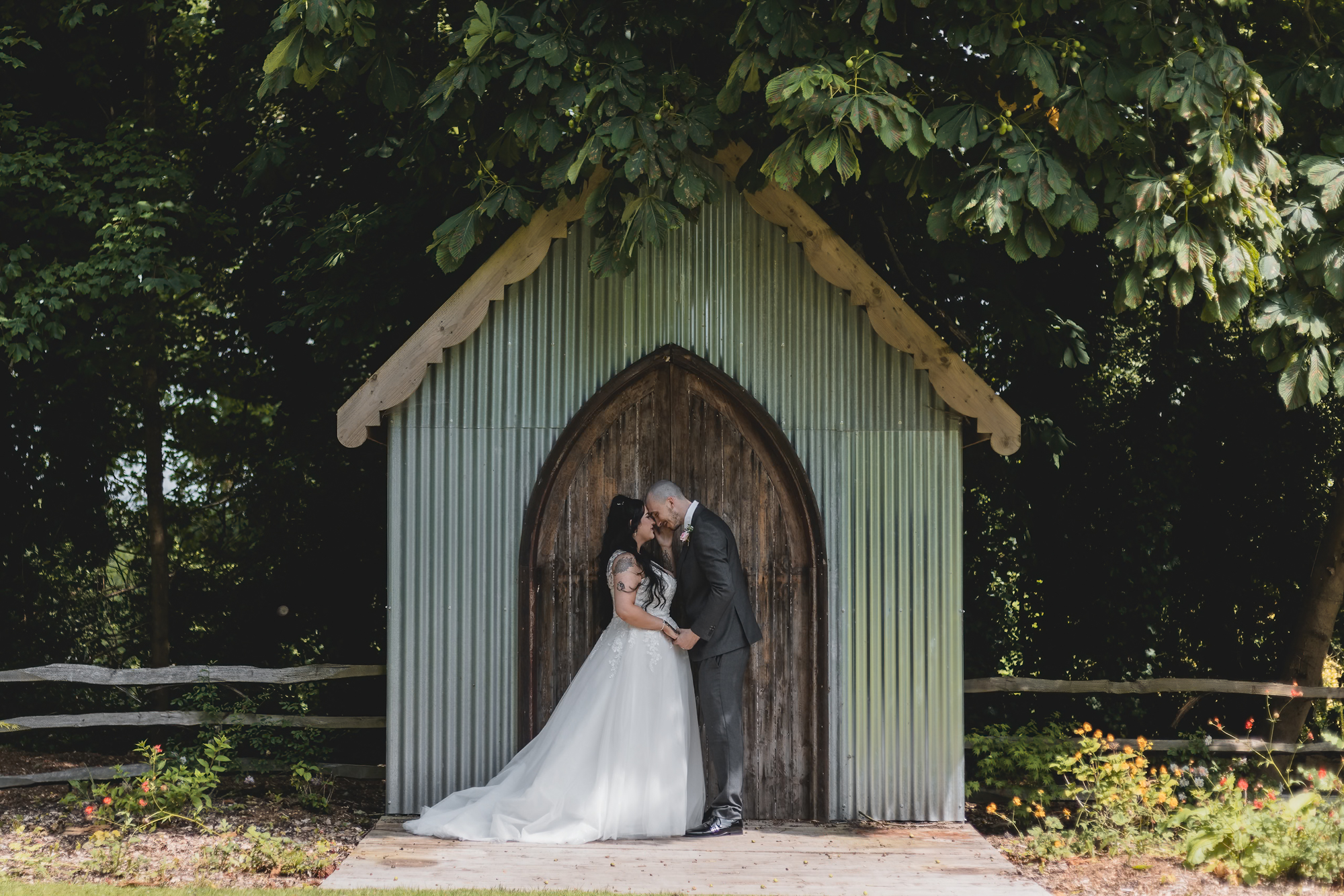
This works best for very small weddings, registry office ceremonies, elopements, or couples who only want the key legal part of the day photographed.
- Ceremony
- A few family photos
- A short couple session
- Some candid moments afterwards
It is a good fit when the day is intentionally simple. It is not enough for prep, speeches, reception details, cake cutting, and first dance.
6 Hours of Wedding Photography
Six hours can work well for smaller weddings where everything happens in one location and the timeline is fairly compact.
- Final part of preparations
- Ceremony
- Confetti
- Family photos
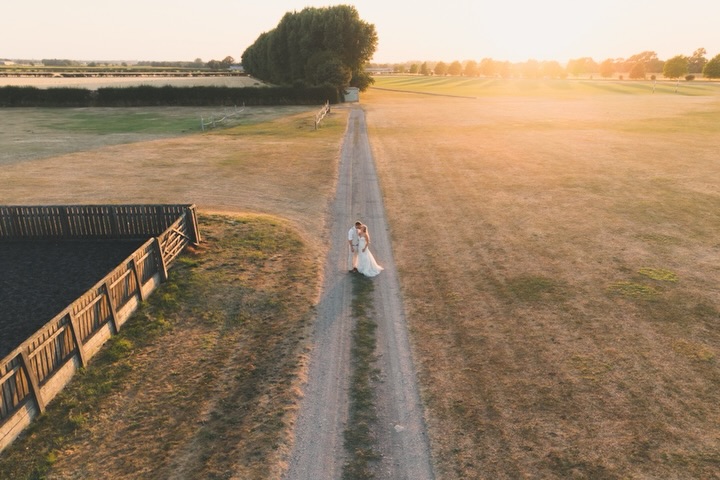
- Couple portraits
- Reception drinks
The risk with 6 hours is that it disappears fast if you have travel between venues or want a slower, more relaxed pace.
8 Hours of Wedding Photography
For many UK weddings, 8 hours is the comfortable middle ground. It usually gives enough time to tell a proper story without needing late-night coverage.
- Morning preparations
- Ceremony
- Confetti
- Family photos
- Couple portraits
- Reception details and speeches
- Some evening atmosphere
If you are planning a Leeds or Yorkshire wedding with a sensible timeline, 8 hours is often where couples start.
10 Hours of Wedding Photography
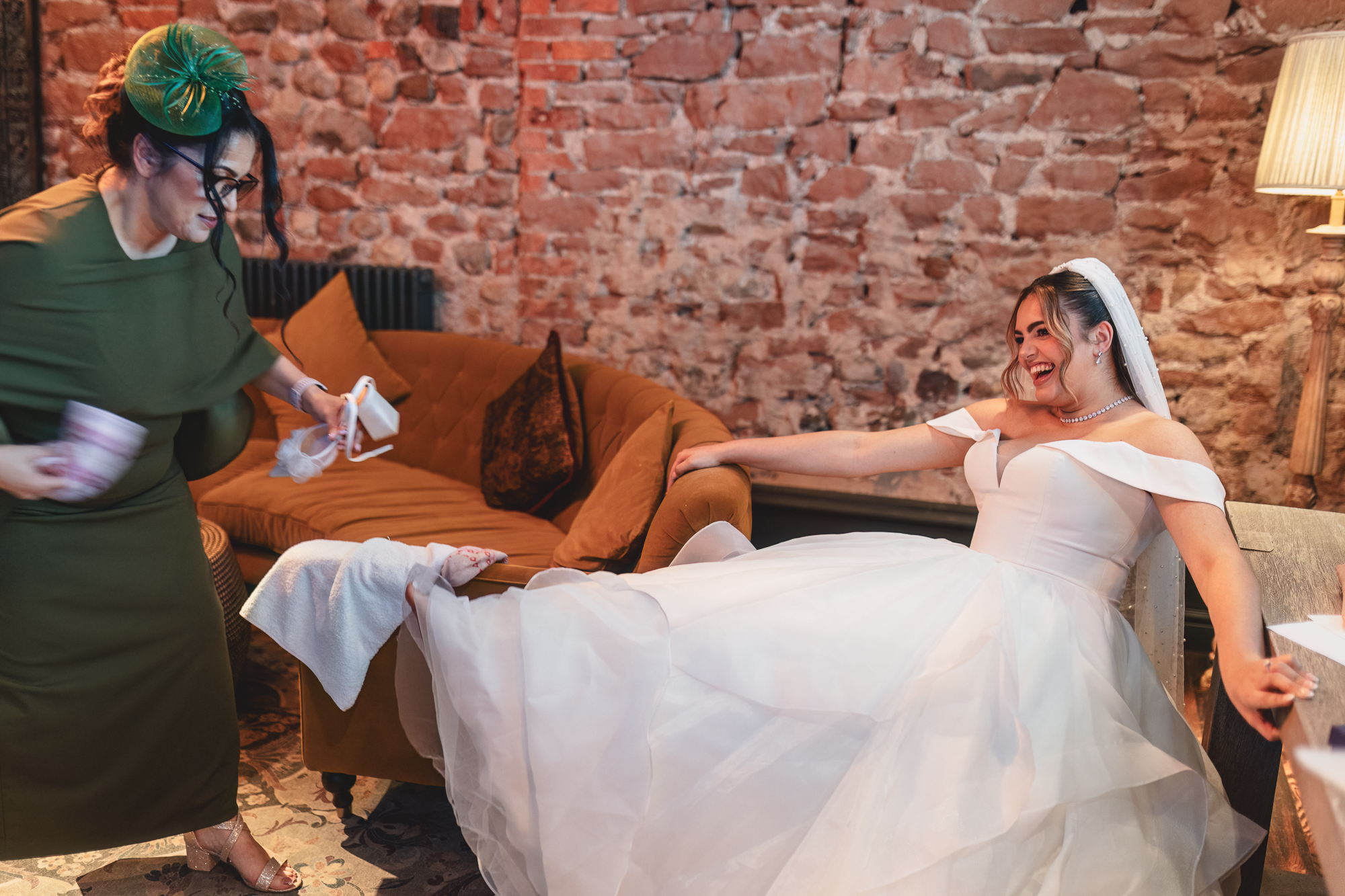
Ten hours is usually the safest option for couples who want bridal prep through to first dance without feeling rushed.
- Bridal prep
- Groom prep if nearby or covered by a second photographer
- Ceremony
- Confetti
- Family photos
- Couple portraits
- Reception details
- Speeches
- Cake cutting
- First dance
- Evening atmosphere
For most full wedding days, this is the easiest package to recommend because it gives everyone breathing room.
Full-Day Wedding Photography
Full-day coverage is ideal when you have multiple locations, a larger guest list, or simply want the confidence that the photographer is there for the whole arc of the day.
It is not only about getting more photos. It is about not spending the day thinking, “Are we running out of photography time?”
Do You Need Bridal Prep Coverage?
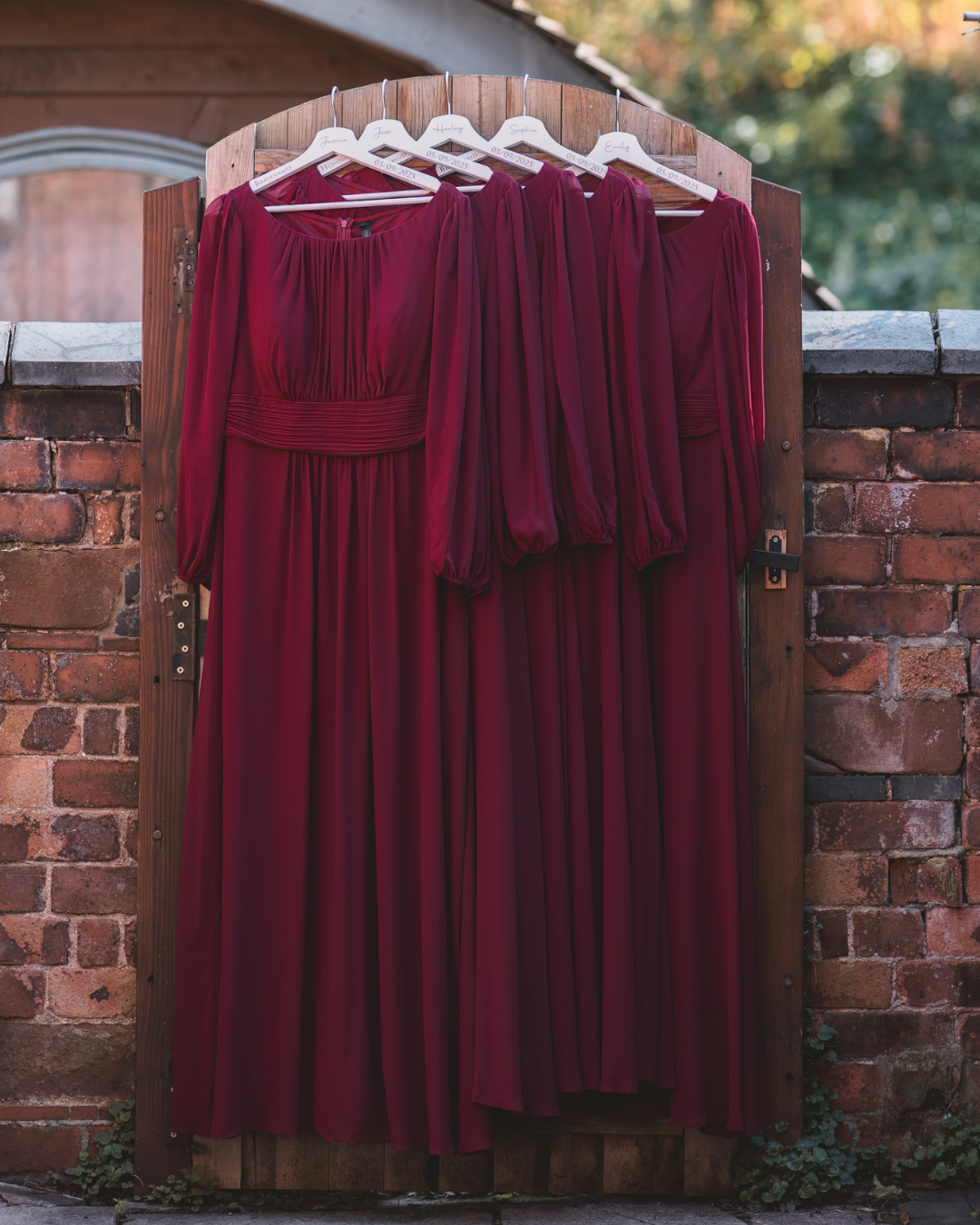
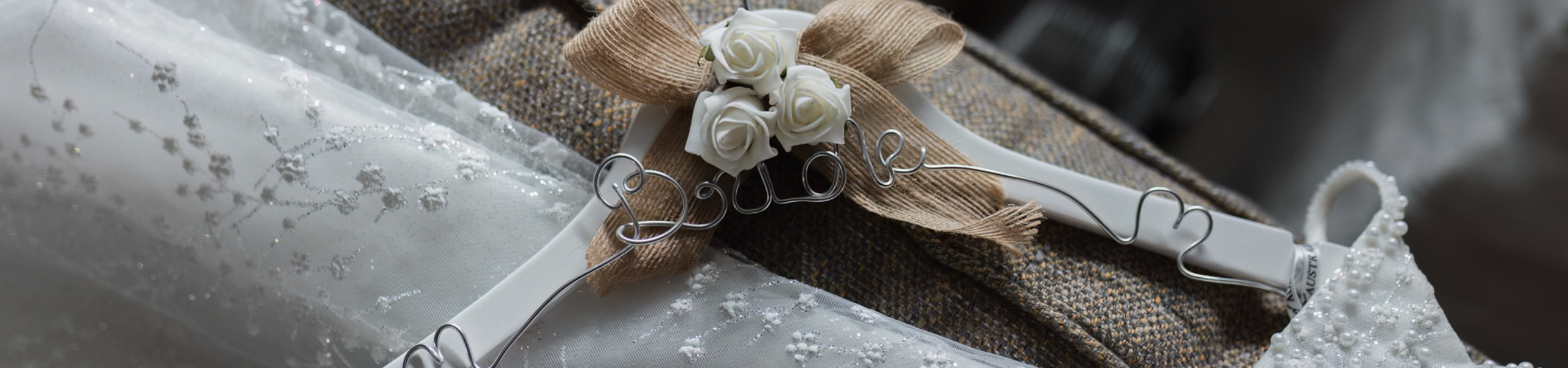
If the emotion of the morning matters to you, then yes. Bridal prep is not just makeup photos. It is the dress hanging up, the laughter with your bridesmaids, the nerves, the quiet moments with family, and the sense that the day is properly beginning.
If you are not interested in that part of the story, you can start closer to the ceremony. But many couples end up loving those photos more than they expected.
Do You Need First Dance Coverage?
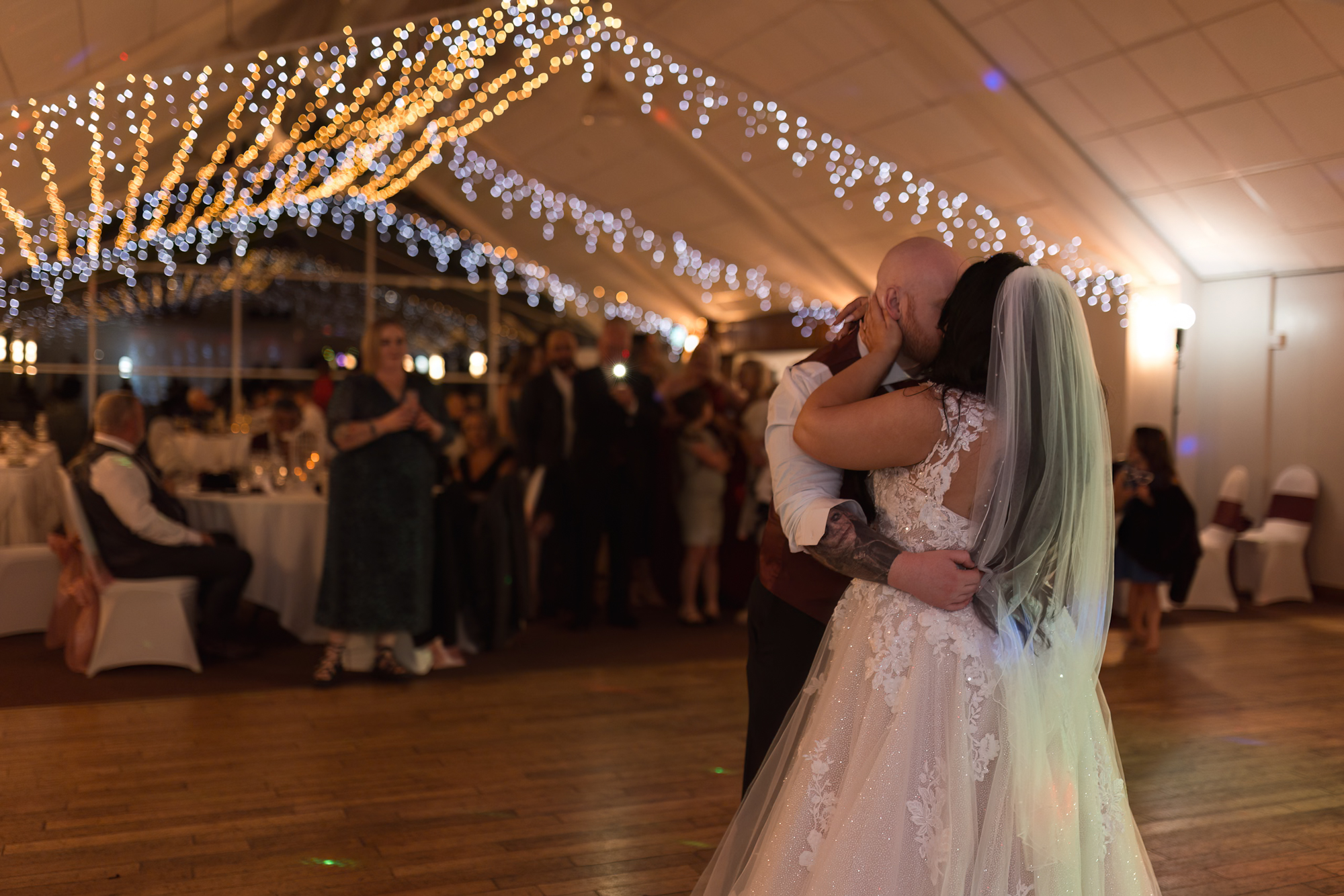
If you want the day to feel complete in the final gallery, first dance coverage is usually worth keeping. It often marks the point where the formal timeline melts into the party.
If you are not doing a first dance or your evening is very low-key, you may not need coverage that late. Just remember that evening timelines often run behind.
The Biggest Mistake Couples Make
The most common mistake is choosing a package based only on price. Saving one or two hours can feel sensible when you are budgeting, but it often leads to regret when key parts of the day are missing from the final gallery.
Before you choose, ask yourselves:
- Do we want the full story or only the main events?
- Are we getting ready in one place or two?
- Is there travel between ceremony and reception?
- Do we want speeches and first dance covered?
- Do we want space in the timeline, or are we happy with a tighter schedule?
How Many Hours Do You Really Need?
Here is the honest version:
- 2 to 4 hours for very small weddings or registry office coverage
- 4 to 6 hours for a simple ceremony and portraits
- 8 hours for most full wedding days
- 10 hours for prep through to first dance
- Full day for larger weddings or multiple locations
If you are unsure, choose a little more breathing room rather than a little less.
Do You Need a Second Photographer?
Not every wedding does. A second photographer is most useful when you are getting ready separately, have a large guest list, want more candid guest coverage, or need more flexibility across multiple spaces.
For smaller weddings, one experienced photographer can usually tell the story beautifully.
What Should Be Included in a Wedding Photography Package?
A clear package should explain:
- Coverage hours
- Edited images included
- Online gallery delivery
- Download options
- Pre-wedding consultation
- Timeline support
- Travel details
- Backup equipment and insurance
- Delivery timeframe
- Album or extra-hour options if available
If you want to see how this fits a documentary approach locally, the Leeds wedding photographer page gives a clearer idea of the style and pace many couples are looking for.
Final Thoughts
For most couples, 8 to 10 hours is the sweet spot. Eight hours suits a sensible full-day timeline. Ten hours is better if you want prep through to first dance without everything feeling rushed.
The goal is not to buy the biggest package just because it sounds impressive. The goal is to choose the right coverage so your day is photographed naturally, calmly, and properly.
If you want help working out what fits your own timeline, you can get in touch here. I am always happy to give honest advice based on your ceremony time, venue, travel, and plans for the day.